The most common winter phone call
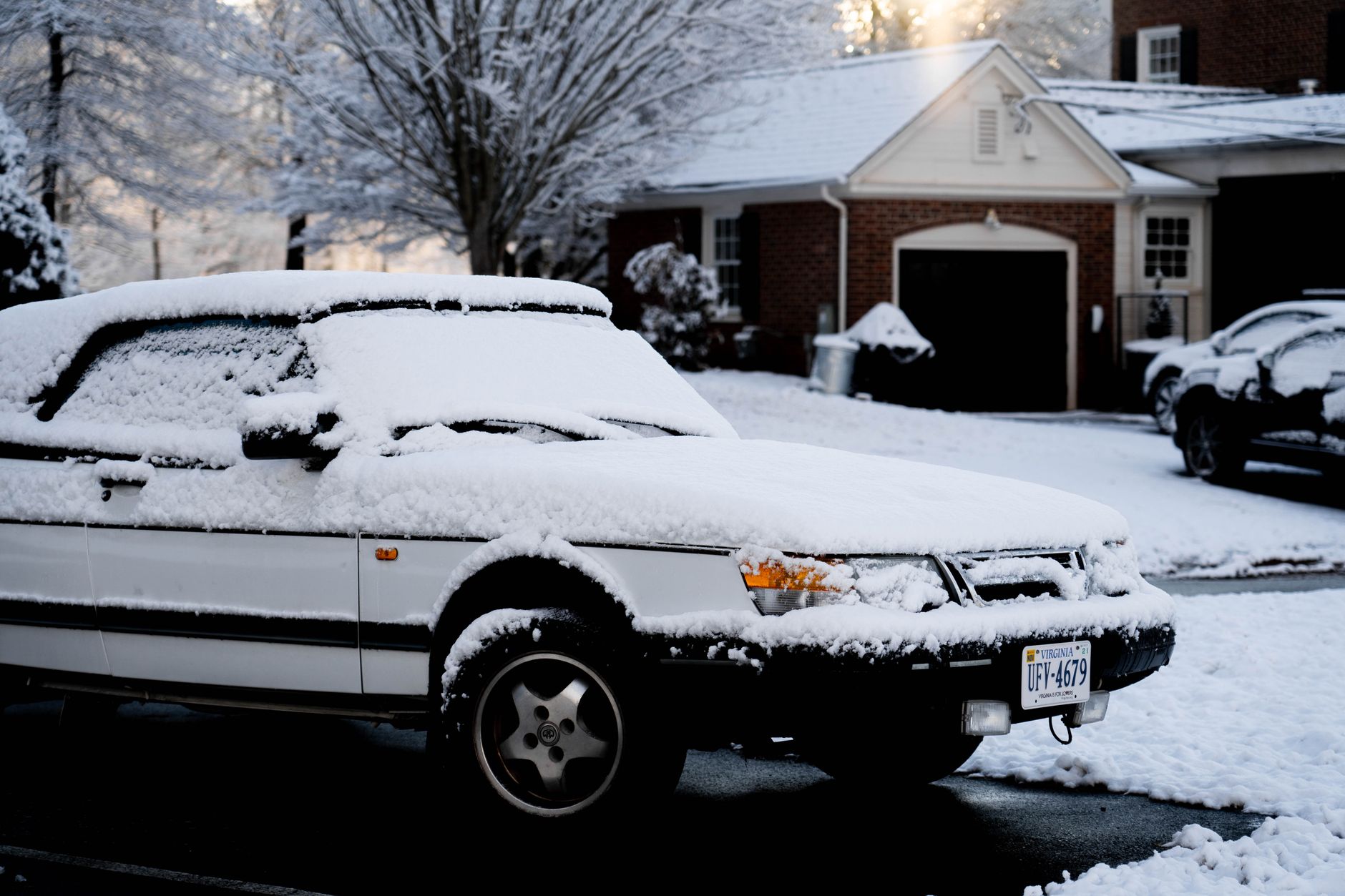
It snowed overnight. You look outside at seven in the morning, there is snow on the driveway, and no truck has been by. So you call us.
That call is completely fair, and after 25 winters we have learned that almost all of it comes down to one number nobody explains properly at signup. Your contract has a trigger depth, usually two inches, and understanding what that number does is the difference between a winter of confidence and a winter of wondering.
What the trigger actually is
The trigger is the accumulation at which your property gets serviced automatically, with no phone call from you. Two inches is the residential standard around here for a practical reason: below about two inches, most vehicles handle a driveway without help, and a plow blade scraping a thin layer does more harm to your surface than good. Above it, you want a truck.
The part that surprises people is that the trigger is a threshold, not a schedule. A storm that drops an inch and a half does not get you a plow. It is not an oversight and it is not us being lazy. Sending trucks out below trigger on a seasonal contract means the route runs on storms it was not priced for, which is how snow companies quietly fold in February.
So the honest version is this. Some mornings you will have snow on your driveway and you will not see us, and that is the system working the way it was written.
Why the truck has not arrived at 7am
Here is the second half of the answer, and it is about arithmetic rather than policy.
A residential plow route is 25 to 40 driveways, clustered tight on purpose. A driveway takes somewhere between four and twelve minutes depending on length, obstacles, and how much hand work the walks need. Add drive time between properties and a full route is a four to seven hour job in good conditions, longer in a heavy wet storm when the truck is fighting every push.
Now consider when the snow stopped. Crews start once accumulation has largely ended, because plowing a driveway in the middle of an ongoing storm means plowing it again three hours later and nobody is paying for two visits. If a storm winds down at 4am, the route is well along by breakfast. If it is still snowing at 7am, the crew has not started, and starting early would have been the wrong call.
Somebody is first on the route and somebody is last, and there is no arrangement in which everyone is first. What we can promise is that the order is consistent, so you learn where you sit and can plan around it. Customers who need to be out the door by 6am regardless should tell us at signup, because that is a route-building decision made in September, not a favor we can grant during a storm.
The situations that confuse people
A handful of storms every winter do not fit the simple picture, so here is how each one is handled.
- The long slow storm. Snow falls for eighteen hours and never stops long enough for a clean pass. On accumulations past roughly six inches we will often run the route twice, once mid-storm to keep you passable and once after for the clean scrape. That is standard on a seasonal contract and it is not an extra charge.
- The storm that stalls at an inch and a half. No service. If a second system arrives the next day and pushes the total past trigger, the route runs and you get everything cleared at once.
- Drifting with no new snow. Wind after a storm can bury a driveway that was clear at midnight with snow that fell on Tuesday. Measured accumulation says zero. This one is a phone call, and we handle it, because the standard is a passable driveway and not a technicality.
- Freezing rain and ice with no accumulation. A trigger measures depth, and an ice event has none. Ice is treated as its own dispatch, which is where an ice melt add-on earns its keep. If you are on our list and the forecast is glaze, you will hear from us.
- The city plow burying your work. This is the one that generates the most frustration, and it deserves its own explanation. Municipal trucks run the street on their own timeline, and they push a dense windrow across the end of every driveway they pass. We circle back for it.
Custom triggers, and when they are worth it
Two inches is a default, not a rule. We write residential contracts at one inch for customers who need it, typically people with medical appointments they cannot miss, a steep driveway that gets slick under any accumulation, or a work schedule with no flexibility. It costs more, because the route runs more often, and for the right household it is money well spent.
Commercial is a different world. Retail and medical sites frequently run zero tolerance, meaning the lot and walks stay clear continuously through an event rather than getting one pass at the end. That means crews on site during the storm, not after it, and it is priced that way for good reason. If a customer or an employee falls in your lot, the question that gets asked afterward is what your service standard was and whether it was followed. We time commercial dispatch around operating hours and document every event.
How you know we were there
You get an email after every event confirming your property was serviced. That is not a nicety, it is the paper trail, and it matters more than people expect. It answers the seven-in-the-morning question before you have to ask it, and on commercial properties it becomes your record of what was done and when.
What a completed residential visit includes: the driveway, the walks, the apron in front of the garage doors so you are not driving through a ridge to get in, and the return pass for the city windrow. Pile placement is planned at signup rather than improvised, because snow pushed to the wrong corner in December is the pile blocking your sight line in March.
If you are still deciding on winter service, the conversation is easier in September than in the middle of a storm. Routes fill in signup order and we build them tight by neighborhood, so Delano, Maple Grove, and the rest of the West Metro each fill on their own timeline. Estimates are free and take a few minutes.
Frequently asked questions
What does a 2 inch trigger mean for snow removal?
A 2 inch trigger means your property is serviced automatically once snowfall reaches two inches of accumulation, with no phone call needed from you. Below that depth, no service is dispatched. It is a threshold rather than a schedule, so a storm that drops an inch and a half will leave snow on your driveway without triggering a visit, which is how the contract is priced and written.
Why has the plow not come yet after it snowed?
Two reasons cover nearly every case. Either the accumulation has not reached your contract trigger, or the crew has not reached your position on the route yet. Crews generally begin once snowfall has largely ended, since plowing mid-storm means returning hours later, and a full residential route of 25 to 40 driveways takes four to seven hours to complete. Someone is first and someone is last, but the order stays consistent so you can plan around it.
Do I get plowed twice during a big storm?
Usually yes. On accumulations beyond roughly six inches, we typically run the route twice: once during the storm to keep the driveway passable and once afterward for a clean scrape. On a seasonal contract both passes are included at no additional charge. That is standard practice for large events rather than something you need to request.
How much does snow removal cost in Rockford and the West Metro?
Pricing depends on driveway length and width, where snow can be pushed, obstacles like retaining walls or steep grades, how much hand shoveling the walks require, and whether the property sits inside an existing route. Seasonal contracts are one set price for the winter regardless of how often it snows, while per-event billing charges each visit. Estimates are free and typically take only a few minutes on site.
Will you clear the pile the city plow leaves at the end of my driveway?
Yes. Municipal plows run the street on their own schedule and push a dense ridge across every driveway they pass, often well after your driveway was cleared. Circling back for that windrow is part of standard service, not an add-on, because a cleared driveway you cannot actually exit is not a cleared driveway.
Can I request a 1 inch trigger instead of 2 inches?
Yes, and we write residential contracts that way regularly for customers with steep driveways, inflexible work schedules, or medical appointments they cannot miss. It costs more because the route runs more often through the season. Commercial properties can also be written at zero tolerance, meaning crews maintain the site continuously during an event rather than making a single pass afterward.