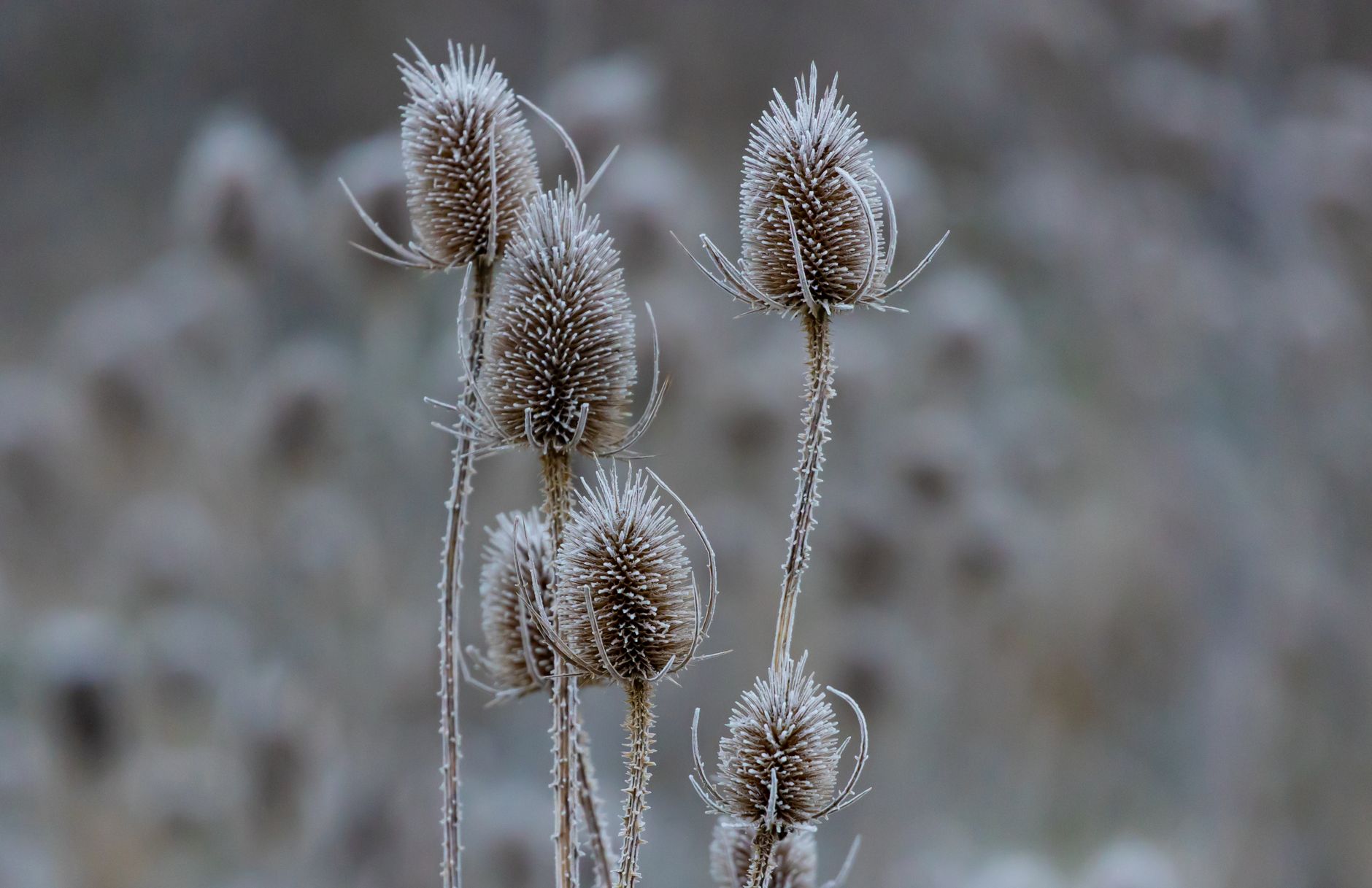
Every October somebody asks whether they should cut the whole garden to the ground or leave all of it standing. Our answer lands in the middle, and it depends on the plant. Some perennials go into winter as a pile of wet mush that carries disease and pests into next year. Others hold their shape under snow, feed birds through January, and give native bees a place to spend the winter.
Here is how we sort it on properties around Maple Grove, Corcoran, St. Michael and the rest of our service area.
Wait for a hard frost
Cutting back in late September feels productive, but most perennials are still moving energy from their leaves down into the roots at that point. Cut green foliage and you cut that process short. The better trigger is the first hard freeze, when temperatures drop into the upper 20s and the foliage collapses or turns brown. In the West Metro that usually happens sometime in October, and in a mild year it can slide toward early November.
After the freeze, the window runs until the beds are under snow. Late October and early November is when most of ours get done.
Cut these to the ground
The plants that should come down are the ones that turn to mush or carry disease and pests into spring.
Peonies
Peony foliage goes black and limp after frost, and it's a common place for botrytis blight and leaf blotch to overwinter. Cut the stems to an inch or two above the soil and bag the foliage. Don't compost it.
Hostas
One hard frost turns a hosta into a slimy heap. Left in place, it gives slugs a sheltered spot to lay eggs right on top of next year's shoots. Pull or cut the leaves once they collapse.
Bearded iris
Iris borer moths lay eggs on old iris leaves in fall, and the larvae tunnel down into the rhizomes come spring. Cutting the foliage back to a few inches and clearing every bit of dead leaf from around the base removes most of those eggs from the bed.
Anything with mildew or leaf spot
Bee balm, garden phlox and some asters finish most seasons gray with powdery mildew. Daylilies often end up brown and streaky. Cut these back and haul the debris away rather than leaving it in the bed, since the spores ride through winter on the dead leaves.
Leave these standing
Plenty of perennials look better in January than they did in September, and they do useful work while they stand.
Ornamental grasses
Karl Foerster feather reed grass, switchgrass and little bluestem stay upright through most snowfalls and give a bed some structure when everything else is flat. The standing clumps also protect their own crowns. Cut them down to four to six inches in early spring, before new green shoots start coming up through the old ones.
Coneflowers, black-eyed Susans and sedum
Goldfinches and chickadees work coneflower and rudbeckia seed heads well into winter. Autumn Joy sedum holds a flat flower head that catches snow and stays standing until spring. All three are healthy plants that gain nothing from a fall cut.
Stems for native bees
A lot of native bees nest in hollow or pithy plant stems. If you'd like a tidier bed, cut healthy stemmy perennials back to 12 to 18 inches instead of to the ground. Those stubs become nesting sites next season, and new growth hides them by June.
How it fits with fall cleanup
Cutbacks land at the same point in the season as the last leaf cleanup, so it makes sense to do them together. Leaves come off the lawn, a moderate layer stays in the beds to insulate crowns, and foliage from diseased plants leaves the property. We covered the leaf side in whether you can leave leaves on a Minnesota lawn over winter. The same logic carries over here: turf needs to be clear, while beds can keep some cover.
Our fall cleanups include perennial cutbacks and bed clean-out along with leaf removal, and everything gets hauled off unless you want a pile kept. For beds that need attention more than once a year, shrub and perennial care covers deadheading, shaping and fall cutbacks timed to each plant.
Mistakes we see every year
- Cutting everything in September while it's still green, which costs the plant stored energy going into winter.
- Composting peony, iris and mildewed foliage, then spreading that compost back onto the same beds in spring.
- Leaving collapsed hostas as a mat over the crowns, which invites slugs and rot.
- Piling wood mulch deep over perennial crowns in early October. If marginally hardy plants need a winter mulch, put it down after the ground freezes so it keeps the soil at a steady temperature and prevents heaving during January thaws.
Spring cleanup for what you leave
Everything left standing comes down in spring. If you can, wait until daytime temperatures sit in the 50s for a stretch, which gives overwintering insects time to wake up and leave. Then cut grasses and old seed heads before the new growth gets tall enough to tangle with last year's stems.
Frequently asked questions
When should I cut back perennials in Minnesota?
After the first hard frost, once the foliage has collapsed or turned brown. In the West Metro that usually happens in October, and most cutbacks get done between late October and early November, before snow covers the beds. Cutting while foliage is still green costs the plant energy it would have stored in its roots for spring.
Should I cut back peonies in the fall?
Yes. Peony foliage is a common overwintering site for botrytis blight and leaf blotch, so cut the stems to an inch or two above the soil after frost and bag or haul the foliage instead of composting it. A fall cut doesn't reduce next year's blooms.
Which perennials should I leave standing over winter?
Ornamental grasses, coneflowers, black-eyed Susans and sedum hold their structure through snow, and their seed heads feed birds like goldfinches through winter. Healthy hollow-stemmed perennials left at 12 to 18 inches give native bees nesting space. Cut all of these back in early spring before new growth emerges.
Is it bad to leave hostas uncut over winter?
It won't kill them, but it's a poor trade. Hosta leaves collapse into a wet mat after frost that shelters slugs and their eggs right at the crown. Removing the foliage once it collapses means fewer slugs chewing the new leaves in May.
Does Liberty's fall cleanup include perennial cutbacks?
Yes. Fall cleanups in Delano, Rockford, Maple Grove, Plymouth and our other West Metro cities include perennial cutbacks and bed clean-out along with leaf removal, with all debris hauled off-site unless you ask us to leave a pile. Estimates are free.